Hormuz 'safety valve' snaps shut: Iran reimposes blockade, fires on tankers
Apr 19, 2026
Tehran [Iran], April 19: The global hope for a stable energy corridor was short-lived as Iran's Revolutionary Guard Corps (IRGC) on Saturday reimposed a strict naval blockade on the Strait of Hormuz.
The move followed a fleeting 24-hour window on Friday during which over a dozen tankers--including three previously sanctioned vessels--successfully transited the vital waterway for the first time in nearly two months, as per UK-based news agency.
More than a dozen tankers, including three vessels under US sanctions, passed through the Strait of Hormuz after a 50-day blockade was lifted on Friday, shipping data from TankerTrackers.com, Inc, showed.
At least eight tankers crossed early on Saturday, with maritime tracking data listing four as carrying liquefied petroleum gas, two as oil and chemicals, one as crude oil and one as oil products. At least three of the vessels were under US sanctions.
The reopening, declared by Iran's Foreign Ministry on Friday, collapsed after US President Donald Trump clarified that the American naval blockade of Iranian ports would remain "in full force" until a comprehensive nuclear and security deal is signed.
As the "status quo" of the blockade returned on Saturday morning, maritime data and security agencies reported immediate escalations.
Two IRGC gunboats reportedly opened fire on a commercial tanker approximately 23 miles northeast of Oman. The vessel and crew were reported safe, but the incident effectively signalled the end of the brief truce.
As per TankerTrackers.com, Inc, two Indian vessels--including a massive supertanker--were forced to flee the Strait of Hormuz on Saturday after coming under direct fire from the Islamic Revolutionary Guard Corps (IRGC) Navy.
The incident, captured in dramatic Channel 16 VHF radio recordings, signals the definitive end of a brief 24-hour "opening" of the strait and places New Delhi in a delicate diplomatic crossfire.
"According to two Channel 16 audio recordings captured today, two Indian vessels were forced back west out of the Strait of Hormuz by Iran's Sepah (IRGC) Navy. Firing was involved. One of the vessels is an Indian-flagged VLCC supertanker carrying 2 million barrels of Iraqi oil," TankerTrackers.com, Inc posted on X.
The attack has placed India in a high-stakes diplomatic bind. While India has maintained a neutral stance throughout the 2026 Iran War, the domestic impact has been severe due to an ongoing energy crisis and LPG shortages.
The attack has sparked an immediate diplomatic crisis between New Delhi and Tehran. Iranian Ambassador to India, Dr. Mohammad Fathali, was called to the Ministry of External Affairs (MEA) over the firing incident on Indian vessel at the Strait of Hormuz
The MEA lodged a formal protest over the incident. The Indian Navy is currently monitoring the situation closely, though no Indian warships were present in the immediate vicinity of the strait during the firing.
Meanwhile, the United Kingdom Maritime Trade Operations (UKMTO) said it received three separate incident reports off the coast of Oman on Saturday.
The first incident was reported 3NM east of Oman. The master of a cruise ship reported sighting a splash in proximity to the vessel. No damage or injuries were reported. UKMTO advised vessels in the area to report suspicious activity.
The second incident, 25NM northeast of Oman, a container ship was hit by an unknown projectile, causing damage to some containers. The master confirmed there were no fires and no environmental impact. Authorities are investigating the source of the projectile.
While the third incident was reported 20NM northeast of Oman. The master of a tanker reported being approached by two IRGC gunboats. The vessels made no VHF radio challenge before firing on the tanker. The tanker and crew are reported safe. Authorities are investigating.
UKMTO urged all vessels to transit with caution and report any suspicious activity immediately.
Iran's Foreign Ministry had declared the vital waterway "completely open" to commercial shipping on Friday, citing a 10-day ceasefire between Israel and Lebanon and directing vessels to use a coordinated route set by Iran's Ports and Maritime Organisation.
Iranian officials stated that any future transit would require explicit naval authorisation and the payment of a "transit toll," framing the US blockade as "piracy" that justifies their control of the waterway.
The Strait of Hormuz has been the primary theatre of leverage for Iran since the outbreak of the 40-day war (Operation Epic Fury) in February 2026.
On April 17, a brief period of de-escalation allowed 12-15 tankers to pass through. This was intended to coincide with a 10-day ceasefire between Israel and Hezbollah.
By Saturday morning, Tehran's joint military command announced that control had returned to "the previous state," citing continued US hostility.
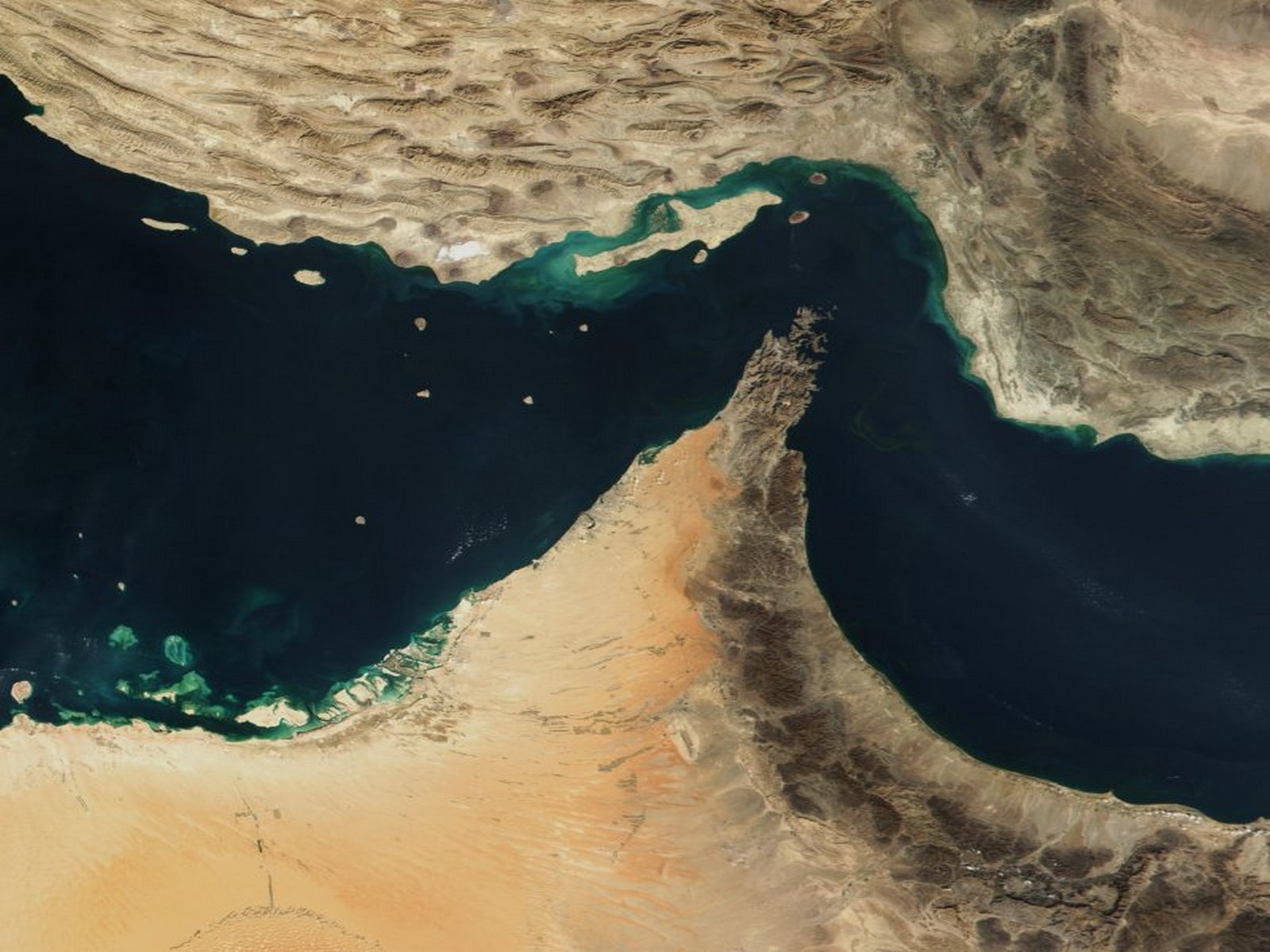
The Strait of Hormuz is currently the world's most dangerous "on-off" switch. Roughly 20% of the world's liquid petroleum passes through this 21-mile-wide passage. Every time the "blockade" is reimposed, global oil prices face immediate double-digit volatility.
The fact that sanctioned vessels passed through on Friday suggests that "shadow fleet" operators were using the brief opening to move Iranian oil that had been trapped since February.
Iran is using the strait as a bargaining chip to break the U.S. naval blockade of its own ports (Kharg Island, Bandar Abbas). President Trump's refusal to lift sanctions in exchange for the strait's reopening led directly to the IRGC's decision to fire on Saturday's transit attempts.
The Strait of Hormuz is officially closed to unauthorised traffic. US Central Command (CENTCOM) remains on high alert, while the maritime industry has advised all commercial vessels to maintain a wide berth from Iranian territorial waters.
Source: Times of Oman