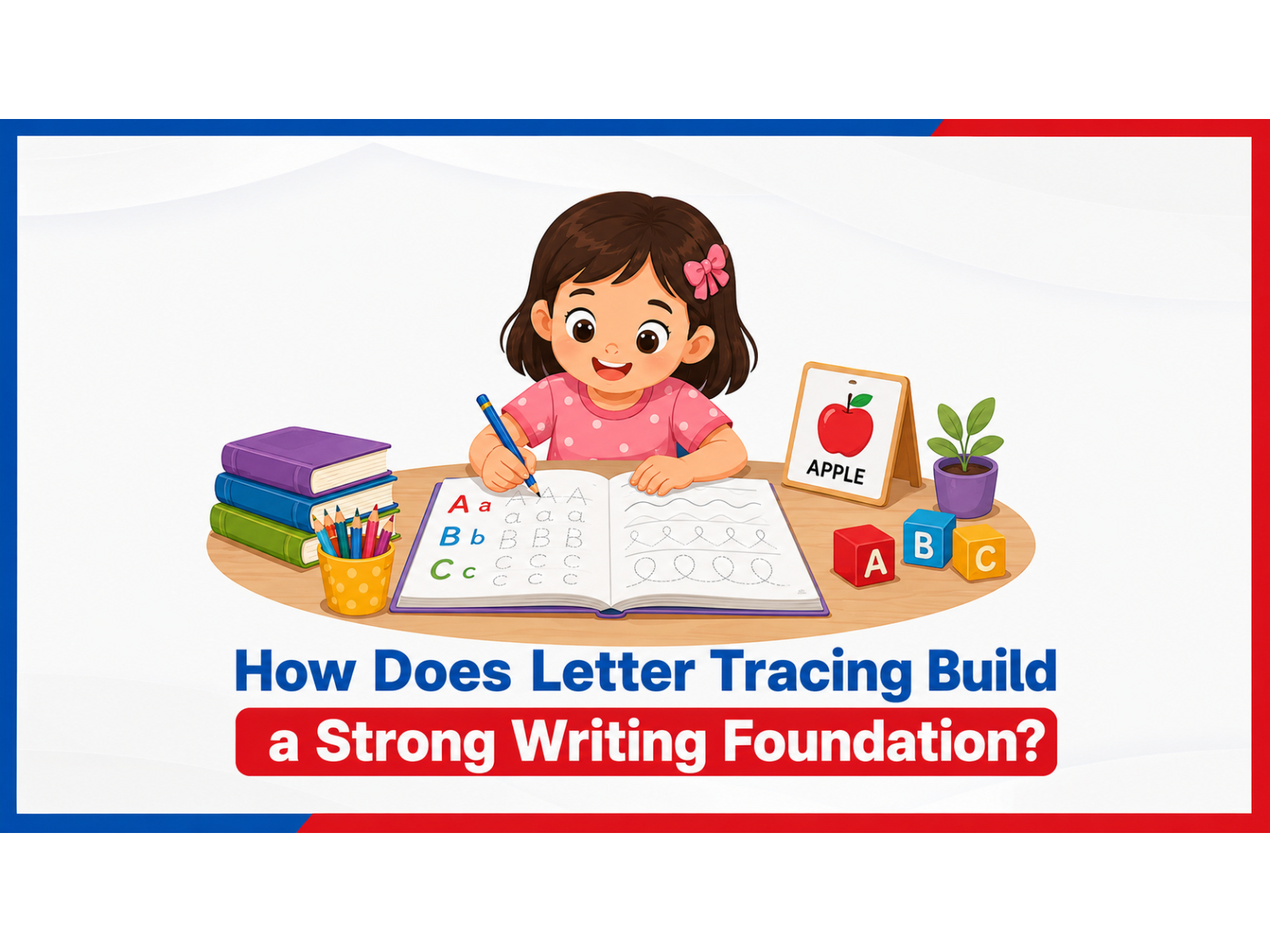
How Does Letter Tracing Build a Strong Writing Foundation?
Aug 05, 2026
SMPL
New Delhi [India], August 5: Simple, small movements are the signs for learning to write. Before being able to write words or sentences, children need to learn to use a pencil properly and write letters. Writing letters is preliminary writing; hence, it is important to learn how to write letters.
An alphabet tracing book helps children get practice and build confidence with each letter. They learn to develop hand control, recognise letters and writing skills, which will help them in their learning in the future through regular practice.
This guide will answer everyday questions regarding how letter tracing helps children have strong foundations in writing.
What is Letter Tracing?
This means tracing letters with a pencil or crayon. Children are taught the correct stroke before they write each letter separately.
They develop muscle memory, rather than guessing what a letter should look like. This helps to ease and make the writing more accurate later on.
Why Is Letter Tracing Important for Young Children?
Letter tracing activities aid multiple early learning skills.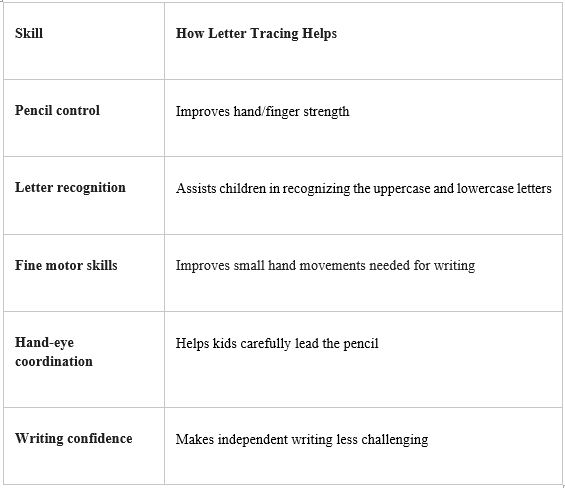
These skills are used to help build the blocks to handwriting success.
How Does Letter Tracing Build Fine Motor Skills?
Writing makes use of the strong hand muscles and controlled finger movements.
Trace letters to help develop a good grip and hand movement with the pencil. Each stroke enhances the muscles involved in writing.
Tracing also helps to prevent wrist instability and to promote finger coordination. These enhancements assist kids in writing conveniently for longer durations.
What is the Benefit of Letter Tracing?
It helps the child to learn the letter faster if he or she sees and hears the letter while learning to write.
Tracing letters A to Z is beneficial for children as it helps:
* Recognise letter shapes
* Recognise letters both capital and lower case
* Remember letter names
* Match letters to the sounds they represent.
Why Is Correct Letter Formation Important?
Mastering the correct letter formation at an early stage can prevent children from developing bad letter formation at a later stage.
Children will benefit from correct formation by:
* Write neatly
* Write faster
* Reduce letter reversals
* Add letter spacing
Early practice is a good habit, which tends to persist throughout school.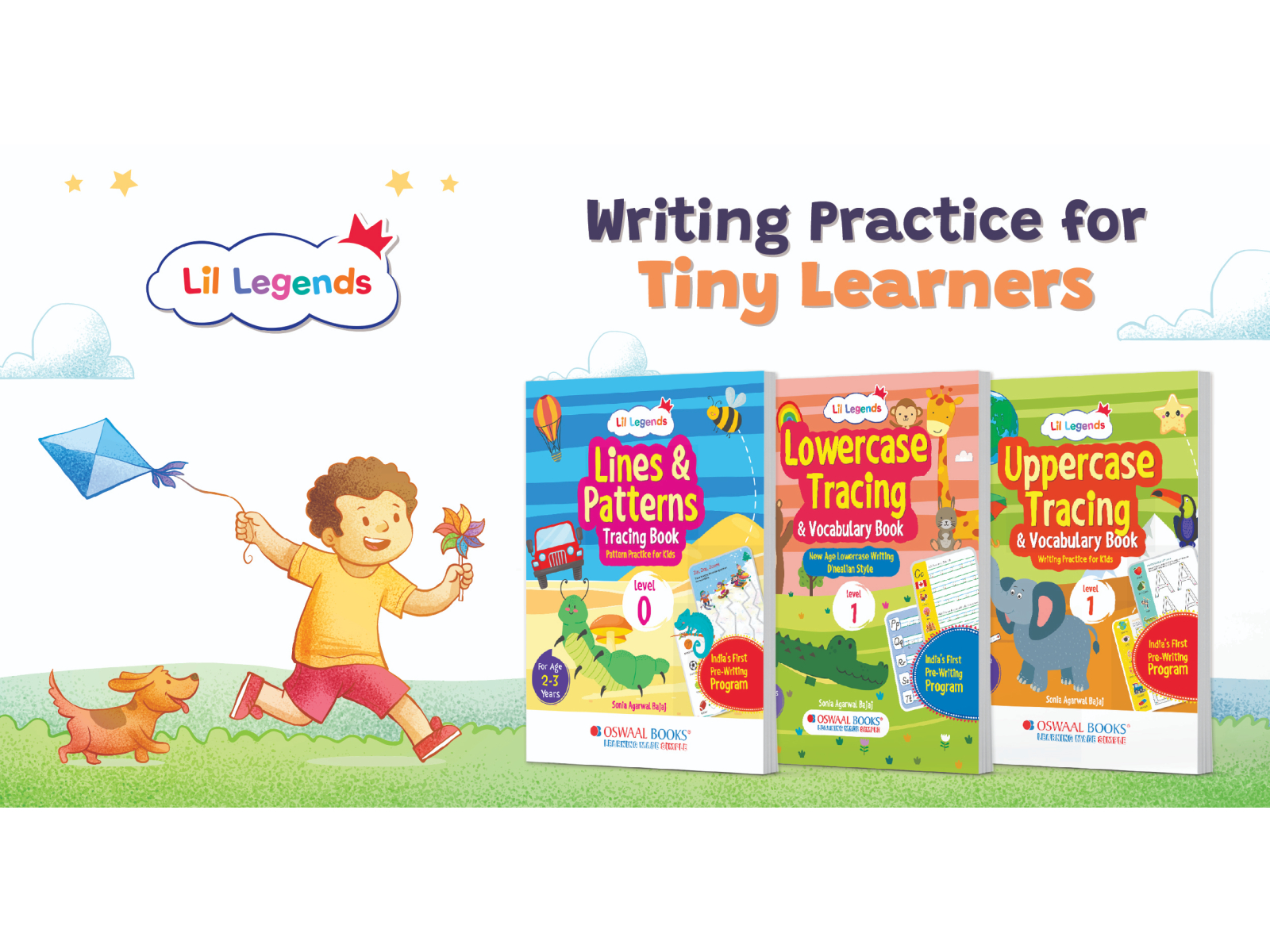
Can Letter Tracing Improve Pencil Grip?
Yes. The letter tracing exercises help children to have a comfortable and controlled grip on the pencil.
Children practise naturally and necessarily while tracing:
* When performing a task, applying the proper amount of pressure is crucial.
* Routine hand movements for hand tool operation.
* Controlling pencil direction
* Learning to make smooth handwriting movements
These will help the children to become independent handwriters.
How Does Repetition Help Children Learn?
Young children need to practice.
Repeatedly tracing the letter will help the brain remember the movement required to form the letter. Over time, children will no longer need guidelines as the actions will become automatic.
This is called muscle memory, and is an important aspect in handwriting development.
What Other Activities Support Letter Tracing?
Letter tracing is best used along with other early writing activities.
A pattern writing book can be used to practice by the children:
* Straight lines
* Curved lines
* Zigzag lines
* Circles
* Loops
These patterns repeat the same muscle patterns that are used during letter formation.
If children can learn the basic patterns, letter formation will be easier.
How Can Parents Make Letter Tracing More Enjoyable?
Learning is fun; kids are engaged.
Consider these easy suggestions:
* Try to practice at least 10-15 minutes per day.
* Use colored pencils/crayons.
* Celebrate small improvements.
* Let children take their time to trace.
* Combine tracing and drawing/coloring tasks.
Generally, shorter practice sessions that are consistent are more effective than longer lessons.
When Should Children Begin Letter Tracing?
All children progress at their own speed. Children can start tracing by age 3-5.
Some indicators of readiness are: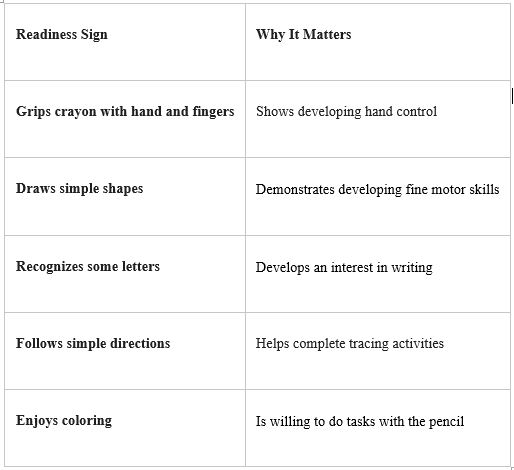
The emphasis for parents should be on progress, not perfection.
What Features Should You Look for in a Good Letter Tracing Book?
A proper tracing book will make learning easier and fun.
Search for books that have:
* Large tracing letters
* Clear writing guides
* Work with Capital and lowercase letters.
* Fun illustrations
* Gradual difficulty levels
* Opportunity to express themselves in writing.
There are some tracing books for kids with numbers, words and even simple activities to practice learning.
How do writing practice books help children to become more confident?
Children start to see how they are improving as they complete more pages.
They are made aware that they can develop their writing skills by practising. They are more willing to write independently in their school and at home as their writing confidence grows.
There are also many parents who opt for tracing/copying and simple writing books for kids to write. The introduction of the model would provide a seamless introduction to guided practice to independent writing without causing anxiety for children.
What are some ways to improve one's writing daily?
It's more important to be consistent than to practice for long periods of time.
Just 10 minutes of tracing a day will benefit children:
* Develop more power in hands
* Improve handwriting accuracy
* Remember letter shapes
* Increase writing confidence
* Practice improved control of pencil
Practicing little by little every day will help them achieve long-term writing skills.
Conclusion
Letter tracing is a most effective letter formation activity for children to prepare their hands for handwriting success. It enhances fine motor skills, strengthens the grip of the pencil, improves letter recognition, and gives confidence with frequent practice.
Children can be taught to write in ways that support them in achieving their learning goals and help them to communicate effectively with the right learning materials and through continuous encouragement.
FAQs
How often should children practice letter tracing?
Most younger learners will need between 10 and 15 minutes a day. Practice makes perfect, and practice often is better done repeatedly over time than in long sessions.
At what age should children start tracing letters?
Typically, most children start around 3-5 years of age based on their level of fine motor control and readiness.
Does letter tracing really enhance letter formation?
Yes. Letter tracing helps children form their letters correctly, builds the muscles in their hands and creates muscle memory for handwriting.
Should children learn patterns before letters?
It is helpful to start simple pattern practice, which will help children develop the pencil control required for letter writing.
What makes a good tracing book?
A good book to trace should have large letters, steps should be clearly written, there should be a progression of skills, fun activities and ample room for children to practice skills.
(ADVERTORIAL DISCLAIMER: The above press release has been provided by SMPL. ANI will not be responsible in any way for the content of the same.)