Iran rejects second round of talks with US
Apr 20, 2026
Tehran [Iran], April 20: Iran's leadership opposes holding a second round of talks with the US, state media reported on Sunday evening, hours after US President Donald Trump announced that his negotiators would be in Pakistan on Monday for fresh negotiations on ending the war.
After a first round of talks failed in Pakistan last week, Tehran rejects holding a second meeting because excessive US demands, Washington's constant change of course and the continued naval blockade of Iranian ports offered "no promising prospect for serious negotiations," state news agency IRNA reported.
The agency described reports that a second round of talks would be held in Pakistan next week as an US-engineered media campaign aimed at exerting even more pressure on Tehran through recriminations.
Trump announced earlier on Sunday that US representatives would be in Islamabad on Monday evening for further talks, but there has been no official confirmation from Tehran on whether Iranian negotiators will be there too.
White House sources said the US delegation will include Vice President JD Vance, who led last weekend's negotiations in Islamabad that ended without tangible results, as well as special envoy Steve Witkoff and Trump's son-in-law Jared Kushner.
Iranian news agency Tasnim, which is close to the Islamic Revolutionary Guard Corps, previously also reported that there will be no further negotiations as long as the US navy continues to block the Strait of Hormuz, citing an unnamed source familiar with the matter.
Trump has said US negotiators will be in Islamabad on Monday for fresh talks with Iran, sparking renewed hope of progress towards an end to the war, despite major differences remaining over the Strait of Hormuz.
"My Representatives are going to Islamabad, Pakistan - They will be there tomorrow evening, for Negotiations," Trump wrote in a long post on social media on Sunday.
A first round of negotiations between Iran and the United States held in Islamabad last weekend ended without tangible results, leaving doubt about whether a resolution to the war launched by the US and Israel on February 28 can be found before the current ceasefire expires on Wednesday.
A major sticking point that remains is the reopening of the Strait of Hormuz, a key waterway for global oil trade.
In what appeared to be a sign that behind-the-scenes diplomatic efforts were making progress, Iran announced on Friday that it was reopening the strait, the same day a separate 10-day ceasefire took effect in Lebanon, another key demand from Tehran.
But Iran reversed the move on Saturday after Trump said the US would uphold its naval blockade of Iranian ports until a peace deal was made.
Trump said on Sunday the US was "offering a very fair and reasonable DEAL," repeating a previous threat that his military would "knock out every single Power Plant, and every single Bridge" in Iran if Tehran didn't accept the offer.
"No more Mr Nice Guy!" he wrote on his Truth Social platform in all-caps, adding: "It's time for the Iran killing machine to end!"
Trump has repeatedly threatened attacks on Iranian energy infrastructure and bridges if Tehran continues to refuse to agree to a deal, sparking major concerns from rights experts as attacks on civilian infrastructure can amount to war crimes under international law.
Trump also mentioned reports that Iran had fired at commercial vessels travelling through the Strait of Hormuz following Saturday's renewed shutdown, describing the incidents as "a total violation of our ceasefire agreement."
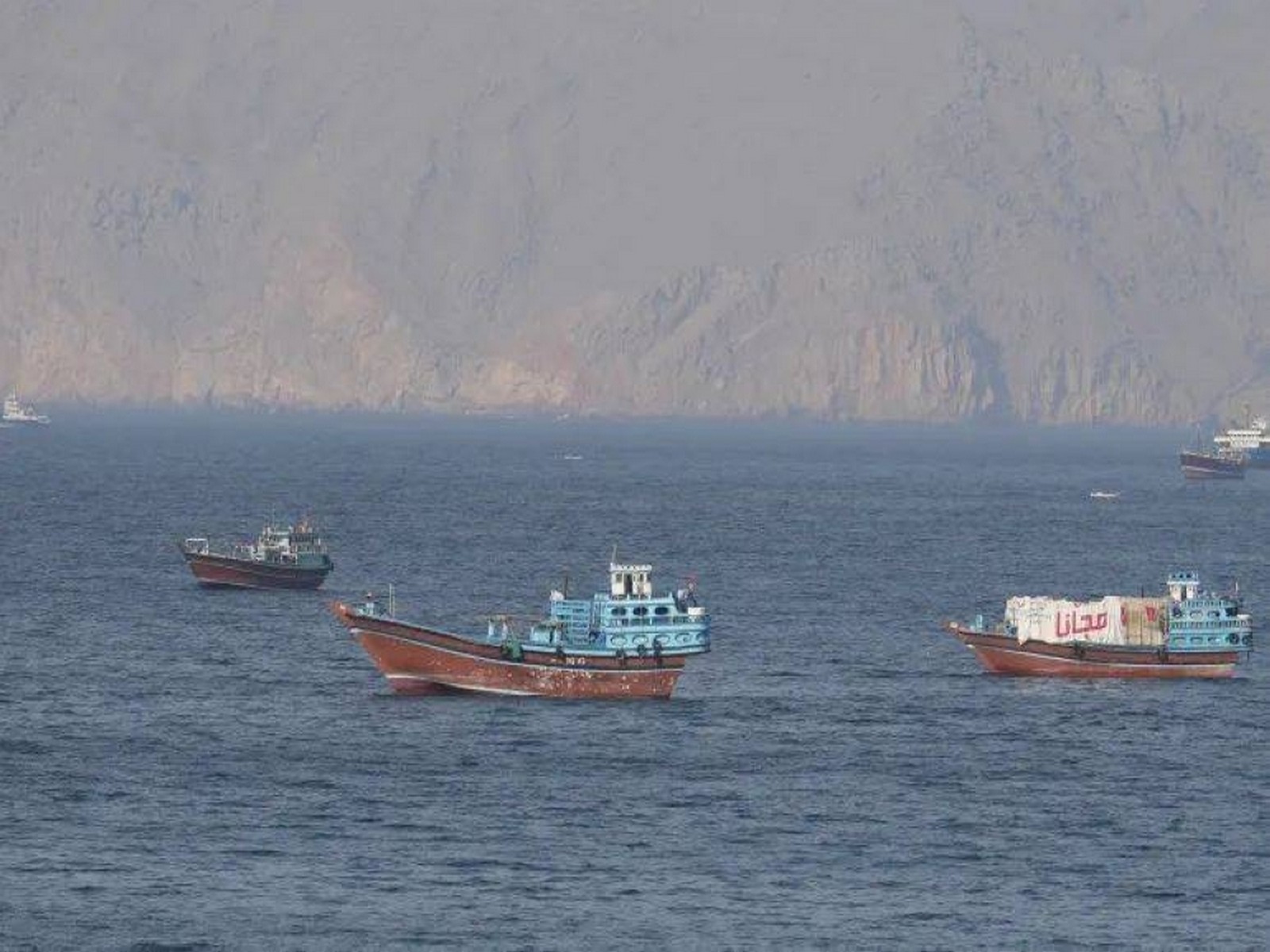
The Strait of Hormuz, a narrow sea passage between Iran and Oman that connects Gulf ports with the world's oceans, is a critical chokepoint for global energy trade.
After Israel and the US began launching joint attacks on Iran more than seven weeks ago, Iran effectively shut down the waterway, sparking major disruptions to global trade that sent energy prices soaring.
On Monday, the US military began to implement a naval blockade of ships calling at or departing from Iranian ports in a bid to prevent Tehran from levying fees on shipping companies for passage through the strait, while simultaneously choking the country's oil revenues.
Meanwhile, diplomatic efforts spearheaded by Pakistan continued to pave the way for another round of US-Iran talks for a comprehensive end to the conflict in the Middle East.
Pakistani Foreign Minister Ishaq Dar held a phone call with his Iranian counterpart Abbas Araghchi briefly before Trump's announcement to stress the importance of continued dialogue to quickly defuse the current tensions, according to the Foreign Ministry in Islamabad.
Source: Qatar Tribune