MOCCAE, ICBA Launch 'National Agricultural Initiative for Adoption of Climate-Smart Crops in UAE'
Apr 27, 2026
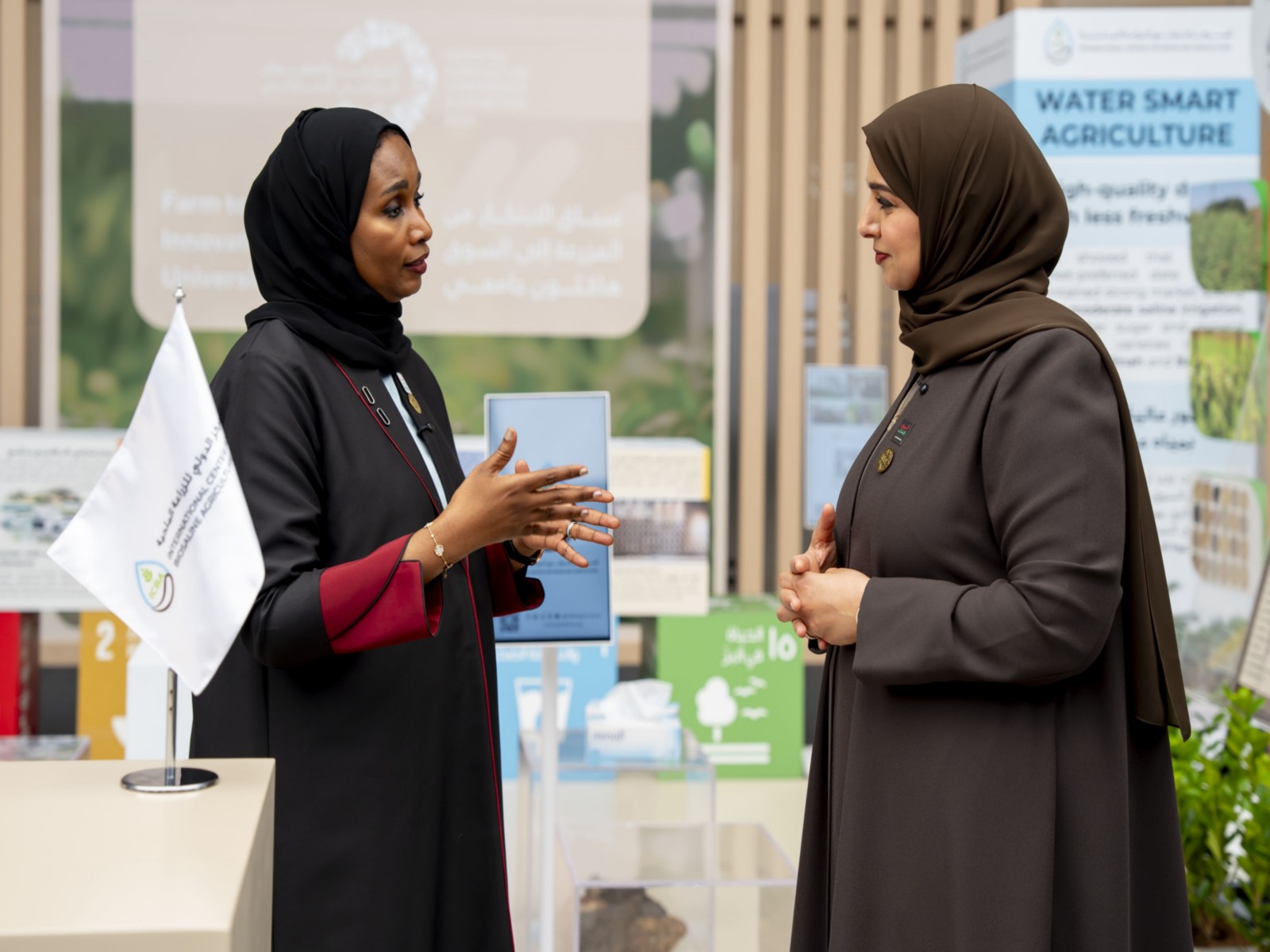
Al Ain [UAE], April 27: The Ministry of Climate Change and Environment (MOCCAE), in collaboration with the International Centre for Biosaline Agriculture (ICBA), has launched the National Agricultural Initiative for the Adoption of Climate-Smart Crops in the UAE on the sidelines of the Emirates Agriculture Conference and Exhibition 2026.
The initiative aims to strengthen the UAE's position as a global leader in climate-adaptive agriculture by transforming scientific research into practical field solutions that support water sustainability and national food security, in line with the National Food Security Strategy 2051.
Dr Amna bint Abdullah Al Dahak, Minister of Climate Change and Environment, said the initiative represents a significant shift in agricultural production, placing food security at the forefront of national priorities.
She said, "We are establishing a new phase of food sovereignty built on knowledge and innovation. Through this initiative, we aim to implement climate-smart solutions tailored to the UAE's environment, ensuring a resilient and sustainable food system."
She highlighted that climate-smart crops offer a sustainable solution to water scarcity and enhance productivity, adding that the initiative will equip Emirati farmers with the skills needed to adopt innovative agricultural practices.
Dr Tarifa Alzaabi, Director-General of ICBA, described the initiative as a milestone in translating research into practical agricultural solutions, building on more than 25 years of research into crops that can withstand salinity, heat and water scarcity.
The initiative focuses on key climate-adaptive crops, including foxtail millet, proso millet and sorghum, which consume up to 50 percent less water than traditional grains while maintaining high productivity in temperatures exceeding 45°C. These crops also offer nutritional benefits and align with growing demand for sustainable food options.
For the livestock sector, Blue Panicum grass has been introduced as a water-efficient fodder solution capable of thriving in saline conditions and drought-prone environments.
The initiative will be implemented in two phases. The first phase includes 45 field trials across farms in the UAE to assess crop adaptability and irrigation efficiency, alongside training 45 farmers and qualifying 50 agricultural extension officers through a Train the Trainer programme.
The second phase will focus on commercial expansion, including partnerships with the private sector to scale production and facilitate access to local and international markets.
A prototype product, Resilience, was also introduced as part of the initiative, demonstrating how climate-smart crops can be integrated into food applications. The concept aims to bridge scientific research with everyday consumption and support the development of sustainable food products.
The initiative is expected to create opportunities across multiple sectors, including retail, food processing and agricultural services, while strengthening collaboration between government entities, research institutions and the private sector.
This step supports the UAE's efforts to build a sustainable agricultural ecosystem and enhance long-term food security through innovation and strategic partnerships.
Source: Emirates News Agency