Trump's drug tariffs could raise US costs
Jul 28, 2026
New York [US], July 28: Americans could soon pay significantly more for generic prescription drugs under the Trump administration's new tariff policy, according to the chief executive of one of India's largest pharmaceutical manufacturers.
Erez Israeli, CEO of Dr. Reddy's Laboratories, told CNBC's Inside India that President Donald Trump's proposed tariffs on imported generic medicines would inevitably translate into higher prices for patients in the United States because manufacturers operate on razor-thin profit margins.
"Generic drugs are a low-margin business," Israeli said, adding that tariffs at the levels proposed by the administration "cannot be absorbed" by companies and would instead lead to price increases "in the magnitude of the tariff."
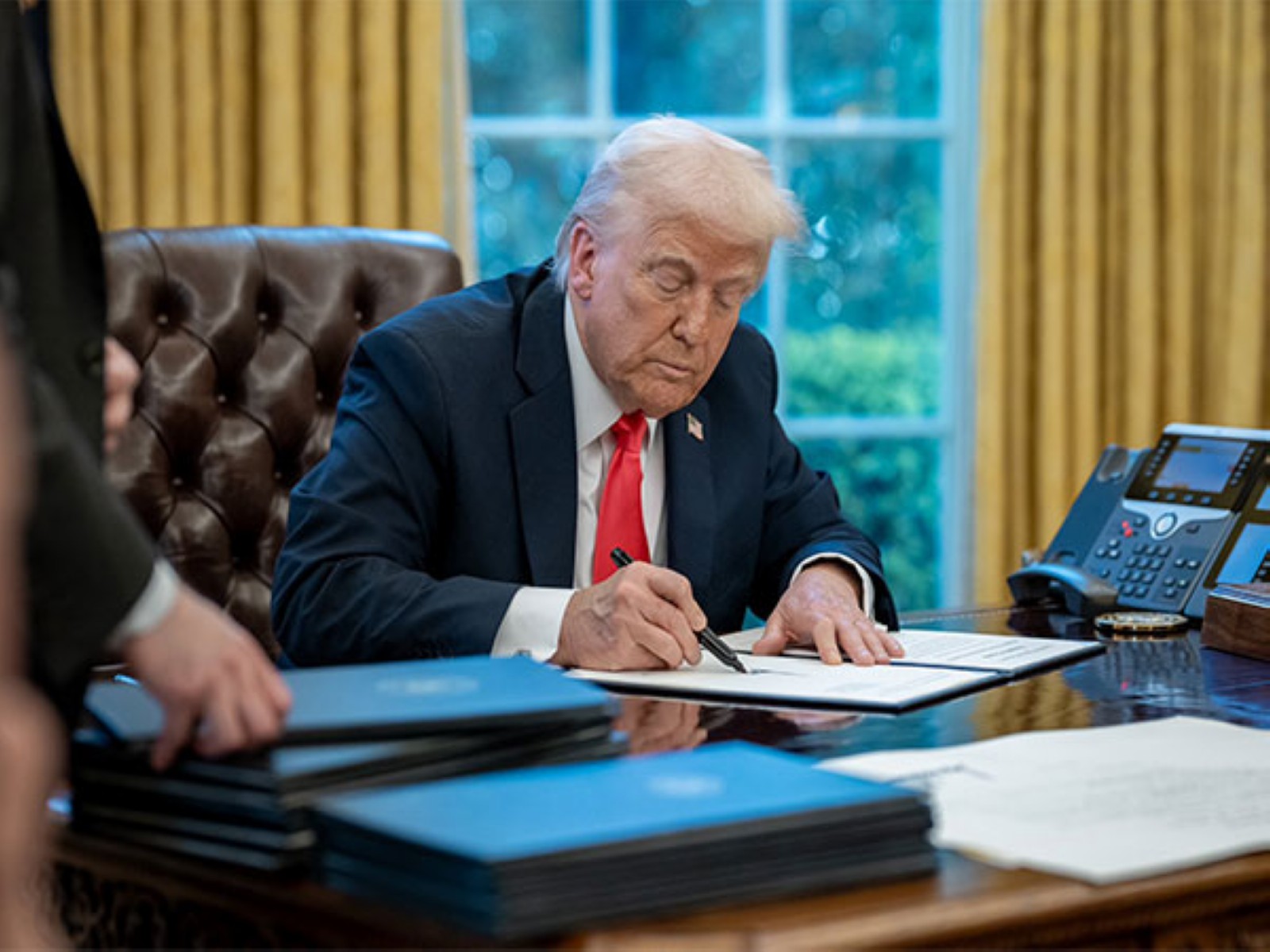
The comments come days after Trump unveiled a sweeping new trade policy targeting imported generic medicines.
Beginning August 1, imported generic drugs will receive a two-year grace period with no tariffs.However, a 100 percent tariff will take effect in August 2028, followed by a 200 percent tariff beginning in August 2029.
The administration says the measure is intended to encourage pharmaceutical manufacturers to relocate production to the United States and reduce dependence on overseas suppliers for essential medicines.
Generic drugs account for more than 90 percent of prescriptions filled in the United States, making them a cornerstone of the nation's healthcare system.
India plays an especially important role in that supply chain, providing nearly half of all generic medicines consumed in the US, according to data from the Indian Pharmaceutical Alliance.
Industry leaders have argued that while the policy aims to strengthen domestic manufacturing, the economics of the generic drug business make relocating production far more difficult than policymakers may anticipate.
Israeli said establishing manufacturing operations in the United States would require substantially more time than the administration's transition window allows.
He also questioned whether relocating production would make financial sense at all.
"The operation in India by us and also by others allowed a significant decrease in the cost of medicine to the United States," Israeli said, arguing that manufacturing low-cost medicines in the US, where labor and production expenses are considerably higher, would likely prove uneconomical.
His assessment echoes concerns expressed across India's pharmaceutical sector.
Namit Joshi, chairman of the Pharmaceuticals Export Promotion Council of India, told ANI this week that generic manufacturers simply lack the margins necessary to absorb tariffs of 100 percent or even 200 percent.
Source: Qatar Tribune