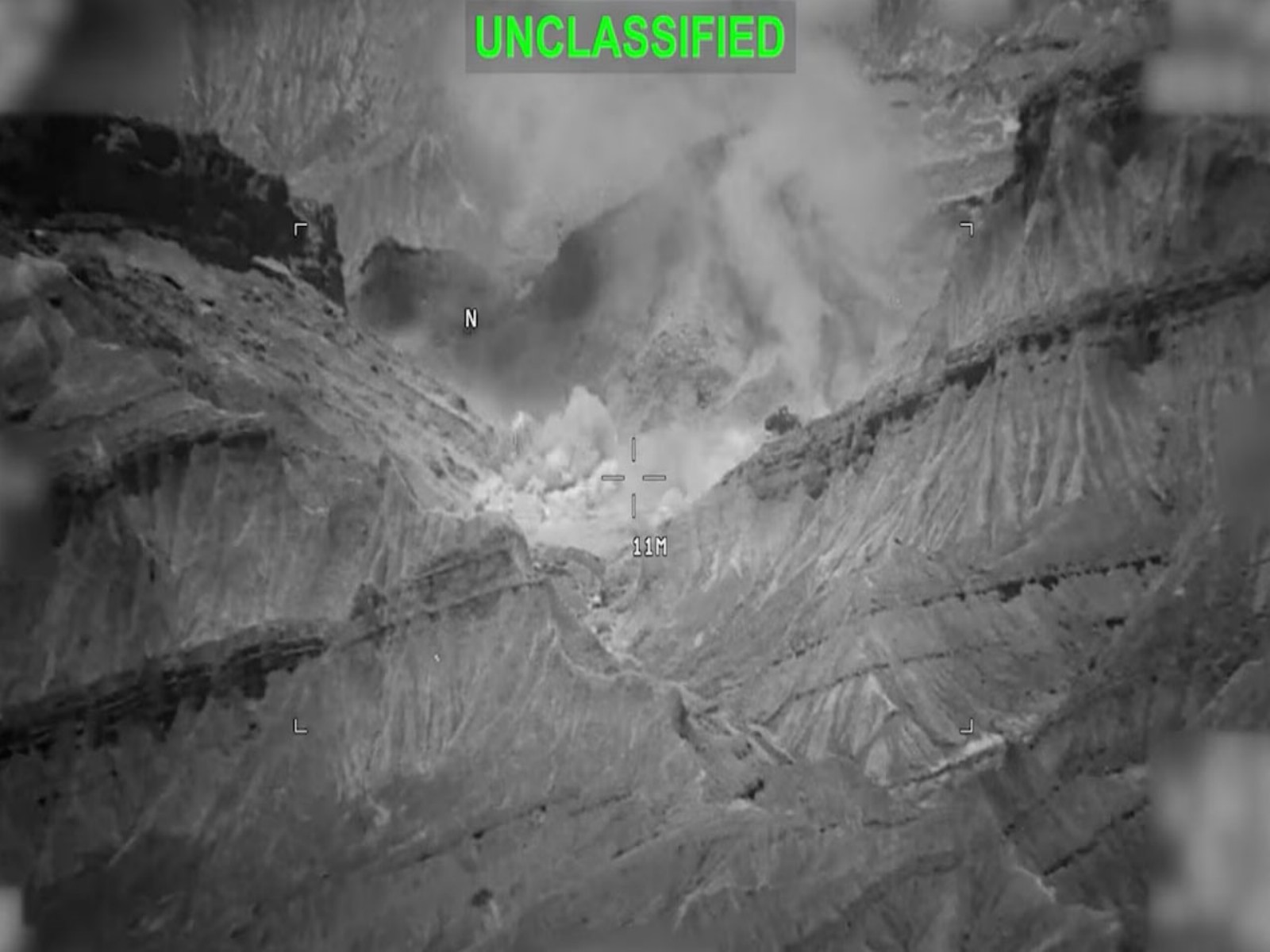
US renews strikes on Iran after at least two military personnel killed by Iranian attack
Jul 20, 2026
Washington [US], July 20: The U.S. said it had completed an eighth straight night of attacks against Iran after earlier announcing that at least two U.S. military personnel were killed in Jordan, while U.S. allies in the region reported more Iranian attacks Sunday.
The U.S. military also confirmed a third death in recent days, saying a service member was killed on Saturday in northern Iraq, where the U.S. has military bases, during a controlled detonation of what Central Command called unexploded ordnance on a downed Iranian attack drone.
The U.S. and Iran have intensified attacks as an interim ceasefire agreement signed a month ago has unravelled and a struggle for control of the Strait of Hormuz, a vital shipping channel, has deepened, raising the risk of a return to all-out hostilities.
Israeli officials said Israel was preparing to receive more U.S. refuelling aircraft after the recent escalation, and ahead of a possible expansion of U.S. military operations against Iran.
U.S. Central Command said the latest airstrikes, beginning at 6 p.m. EDT (2200 GMT) on Saturday, were designed "to further degrade Iran's ability to threaten commercial shipping in the Strait of Hormuz and swiftly punish Islamic Revolutionary Guard Corps forces who launched attacks against American service members in Jordan."
Even prior to Saturday's attacks from Iran, the U.S. had started moving additional assets to the Middle East, including aircraft such as fighter jets, a U.S. official told Reuters.
Central Command later said it had completed its wave of attacks, hitting Iranian military coastal surveillance and air defence facilities.
The conflict, which began when the U.S. and Israel attacked Iran on February 28 hoping to disable its nuclear and missile programs and degrade its regional proxies, has killed thousands of people, mostly in Iran and Lebanon, and led to major disruption to energy supplies and fears over global inflation.
Source: Fijian Broadcasting Cooperation