Dr. Jekyll and Mr. Hyde: Two sides of the Immune system
Nov 19, 2026
PRNewswire
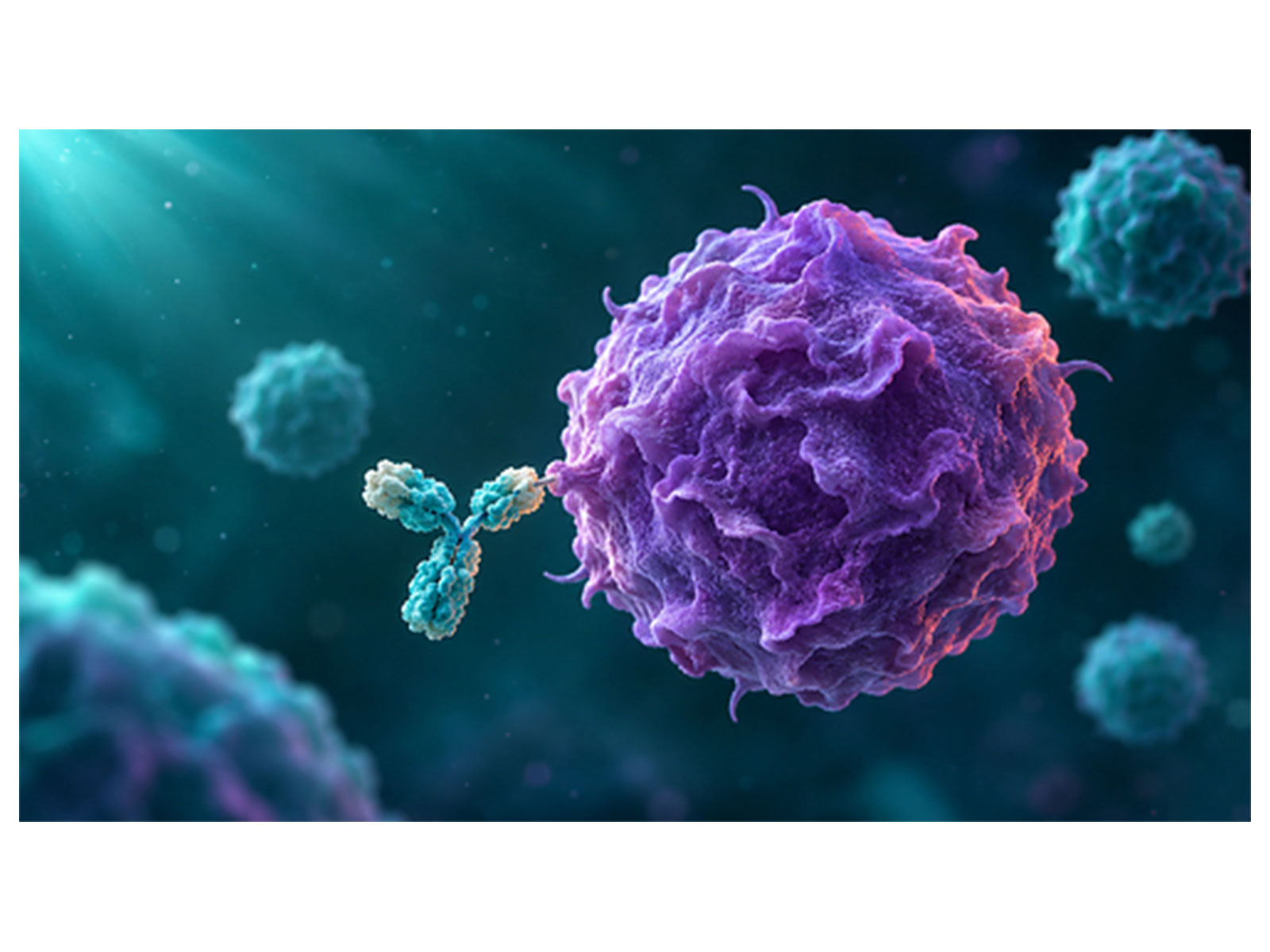
Ahmedabad (Gujarat) [India], November 19: Like Dr. Jekyll and Mr. Hyde, the immune system has two sides: a protector and, when things go wrong, a threat. The immune system defends the body against infections by attacking germs and abnormal cells without harming the body's own healthy cells, an ability known as immune tolerance. When tolerance breaks down, the immune system can react to harmless substances, which causes an allergy, or attack the body's own tissues, which causes an autoimmune disease. For many years, treatment depended largely on steroids and other medicines that suppress the entire immune system which could cause side effects with long-term use, including weight gain, weakened bones, raised blood sugar and a higher risk of infections. Newer therapies, including biologics (laboratory-made antibodies), allow doctors to act on specific parts of the immune response that drives the disease, and some of these don't even increase the risk of infections and reduce the overall collateral damage that was caused by older therapies.
Zydus Hospitals, Ahmedabad, offers a complete diagnostic work-up of these conditions, supported by a laboratory equipped for comprehensive allergy profiling. Dr. Kunal Chandwar, Allergist-Immunologist and Rheumatologist in Ahmedabad, has been trained across multiple countries and specialises in allergy, clinical immunology and rheumatology, and in matching each patient with the targeted therapy that suits the pathway driving their disease. When the faulty immune pathway is correctly identified, the right targeted treatment can be chosen, and in many patients steroids can be avoided or used sparingly.
To show how serious an allergy can be, Dr. Chandwar recounts a recent case of a 9-year-old boy with a severe allergy to cow's milk, who went into anaphylactic shock (a sudden, life-threatening allergic reaction that affects breathing and blood pressure) after eating ghee. Ghee contains only traces of milk protein, so a reaction to it points to extreme sensitivity. In many allergies, the molecule at fault is immunoglobulin E (IgE), an antibody that wrongly marks an otherwise harmless food as a 'threat'. Treatment depends on the condition and its severity. The first step is to identify and avoid the trigger. The boy had lived with allergy for 9 years before his family consulted Dr. Chandwar, an immunologist in Ahmedabad, who started him on omalizumab, a targeted biologic and the only one approved by the US FDA for IgE-mediated food allergy. Omalizumab binds to IgE in the blood and stops it from setting off mast cells (the cells that release histamine), and reduces the chances of an allergic reaction. "Milk immunotherapy is now possible. We used the 'milk ladder approach' in which we gradually reintroduced the milk allergen into the patient's diet. We start with its least allergy-inducing form and slowly progress to the most allergy-inducing form. The boy is doing well and after 2 years on this therapy, he can now tolerate small amounts of biscuits and cakes," says Dr. Chandwar. The therapy does not cure the allergy and he must continue to avoid milk, but it raises the amount of milk protein needed to trigger a reaction, which lowers the risk from accidental exposure. Such treatment, including the milk ladder, should only be attempted under specialist supervision and never at home on one's own.
Speaking about his experience in rheumatology, he explains that the skin and joints are common targets of autoimmune diseases. Psoriasis is a long-term, non-contagious condition in which skin cells multiply too quickly and build up as thick, red, scaly patches, and some patients also develop joint inflammation, called psoriatic arthritis. A 27-year-old man consulted Dr. Chandwar after a year and a half of psoriasis affecting about 90 per cent of his skin, together with psoriatic arthritis. He was prescribed ixekizumab, a biologic that blocks interleukin-17 (IL-17), one of the chemical signals that drive the disease. More than ten biologics are now approved for psoriasis, and each acts on different inflammatory pathways. After a month and a half, his condition improved by more than 80 % without the need for steroids. Upon follow-up, no new patches had appeared, and his recovery was smoother and faster. This shows how identifying the pathway that drives a disease leads to the right targeted drug.
Some autoimmune diseases also affect internal organs. In lupus (systemic lupus erythematosus, or SLE), the immune system attacks the body's own tissues, damaging the skin, joints, blood vessels and kidneys. Common symptoms are joint pain and swelling, unexplained fever and a red rash across the nose and cheeks, often called a butterfly rash because of its shape. In as many as half of adult patients, the disease affects the kidneys, a complication known as lupus nephritis. If the kidneys fail, dialysis or a kidney transplant becomes necessary. One such patient, an 18-year-old woman, had been diagnosed with lupus nephritis before she consulted Dr. Chandwar. Her condition had deteriorated as she developed lupus myocarditis (inflammation of the heart muscle), in which her heart's pumping function (ejection fraction) dropped to 10%, and she needed dialysis for six months to support her failing kidneys, even while being treated with rituximab. This biologic removes B cells, the white blood cells responsible for producing antibodies, and is used in severe lupus, usually when standard medicines have not been sufficient. With rituximab, her heart and kidney function gradually improved, returning to normal.
ANCA-associated vasculitis, another condition he treats, is a rarer autoimmune disease and one that can become dangerous quickly. Vasculitis means inflammation of the blood vessels. In this form, the immune system produces abnormal antibodies called ANCA (anti-neutrophil cytoplasmic antibodies). These abnormal antibodies attach to neutrophils (a type of white blood cell that normally fights infection), and make them attack the walls of small blood vessels. The vessels become inflamed and may bleed, and the organs they supply, commonly the skin, lungs and kidneys, can be damaged. A woman who developed the disease at just 18 had severe vasculitis of the skin and bleeding in the lungs, both of which are medical emergencies. She was treated with rituximab for 6 months and recovered gradually. Two biologics are approved for this group of diseases: rituximab (for granulomatosis with polyangiitis and microscopic polyangiitis) and mepolizumab (for its eosinophilic form).
Most of these conditions cannot yet be cured, but they can be controlled, and with regular treatment and follow-up, many patients can experience a better quality of life. Biologics are now increasingly chosen based on the immune pathway driving a patient's disease. This is why an accurate diagnosis matters: similar symptoms can arise from different pathways, and a medicine that works well for one may not help another. Biologics such as mepolizumab and benralizumab, which reduce eosinophils (white blood cells that drive allergic inflammation), are proving useful in managing conditions such as chronic rhinosinusitis with nasal polyps and severe asthma (seven US FDA-approved biologics are now available for severe asthma), and dupilumab, which blocks the IL-4 and IL-13 signals, has shown promising results in patients with atopic dermatitis (a chronic, itchy form of eczema), for which four biologics are now approved. CAR T-cell therapy, in which a patient's own immune cells are modified in the laboratory to remove the B cells that drive disease. It is emerging as one of the newest treatment approaches with promising outcomes for autoimmune diseases.
In autoimmune and allergy disorders, early detection helps in better management of the disease. Persistent joint pain, swelling or morning stiffness, recurring allergic problems, severe itching, can all be reasons to consult an allergy specialist in Ahmedabad, a clinical immunologist or rheumatologist. Biologics are powerful medicines that need a precise diagnosis and should never be started without specialist supervision. Zydus Hospital, Ahmedabad offers a combination of diagnostic and clinical expertise across the spectrum of allergic and immunological disorders.
To know more, visit https://zydushospitals.com
(ADVERTORIAL DISCLAIMER: The above press release has been provided by PRNewswire. ANI will not be responsible in any way for the content of the same.)