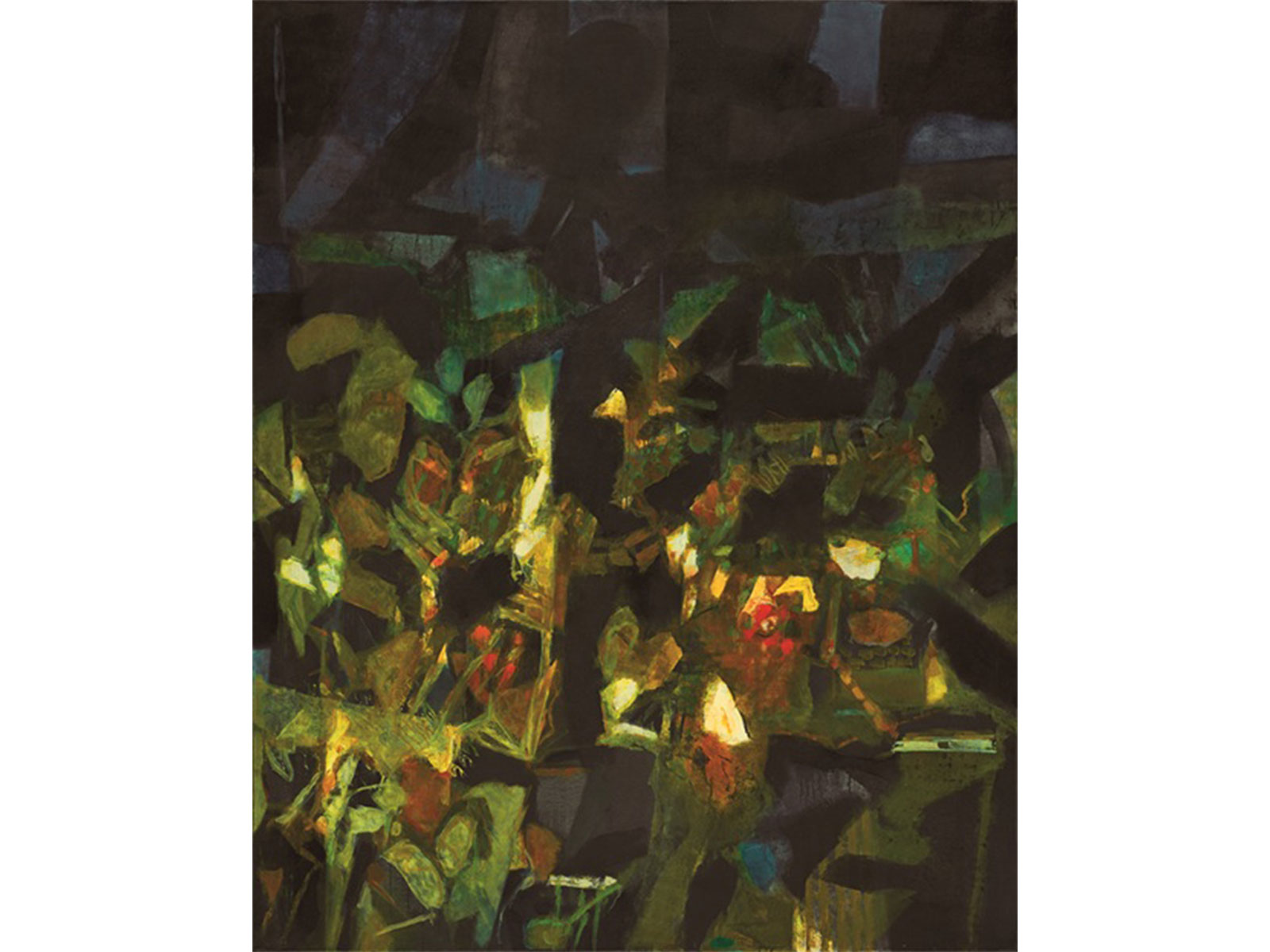
The Dabriwala Foundation for the Arts Presents Vyakt Avyakt: The Manifest and the Unmanifest
Oct 23, 2026
BusinessWire India
Mumbai (Maharashtra) [India], October 23: The Dabriwala Foundation for the Arts will present 15 works from its private collection of Indian modern art at Art Mumbai 2026, marking the first time a multi-artist selection from the collection is being shown in India. Built over three generations since the 1970s, the Dabriwala Collection brings together works by some of the country’s most significant modernists. Titled Vyakt Avyakt: The Manifest and the Unmanifest, the exhibition brings a collection shaped over decades into the public domain.
The presentation also reflects a changing culture of collecting, as a younger generation develops more personal tastes and looks beyond established forms and categories to discover artists and practices that resonate with them. For those beginning their own collecting journey, the exhibition offers an opportunity to consider how a collection can take shape through close looking, research and an understanding of the art itself.
The exhibition’s title, Vyakt Avyakt: The Manifest and the Unmanifest, explores the relationship between the visible world and what lies beyond it. Drawing on the philosophical idea of neti neti — “not this, not this” — the presentation considers abstraction as a way of moving beyond the immediately recognisable towards questions of energy, perception and existence. The 15 works have been selected for the different ways in which they explore this relationship: through the rise and fall of civilisations, the movement of energy, and the tension between what is depicted and how it is perceived.
The exhibition brings together works by Jyoti Bhatt, Sayed Haider Raza, Shakuntala Shivax Chavda, Avinash Chandra, Prabhakar Barwe, G. R. Santosh, Ram Kumar, Vasudev Gaitonde, Gulam Rasool Santosh, Akbar Padamsee, Shanti Dave, Sohan Qadri, Ambadas and Jeram Patel. Their varied approaches to colour, form, symbolism and abstraction reflect the breadth of Indian modernism and its engagement with ideas extending beyond representation.
The story of the collection is equally significant. It began with Shri Rajendra Dabriwala, who started collecting Indian art in the 1970s, initially acquiring works by Bengal modernists, including Ganesh Pyne, before expanding into the Progressive Artists’ Group and the wider field of Indian modernism. Artists such as Sayed Haider Raza, F. N. Souza, M. F. Husain, Ram Kumar, Tyeb Mehta and Akbar Padamsee became part of this evolving collecting journey. His son, Surbhit Dabriwala, has continued to build on this foundation while preserving its original spirit.
Over three generations, these acquisitions have brought together artists whose distinct practices helped shape the trajectory of Indian modernism through the 20th century. The resulting collection offers a way to trace the movements, ideas and artistic developments that defined the period, viewed through the evolving perspective of one family’s collecting journey. Its depth reflects a sustained commitment to looking beyond individual works towards the wider contexts, philosophies and practices that give them meaning.
Among the works on view are Sayed Haider Raza’s Congo, Akbar Padamsee’s Rouen, G. R. Santosh’s Shattering Thought (1962), and two works by Vasudev Gaitonde. The selection also includes works by Prabhakar Barwe, Sohan Qadri, Ambadas and Jeram Patel, offering different perspectives on the development of abstraction and modernist expression in India.
Building on his father Rsjendraji’s vision, Surbhit Dabriwala has continued to develop the collection while preserving its original spirit. Under his stewardship, the collection has broadened its scope marking he next chapter in thr family’d collecting journey and extending theit commitment to the arts beyond the act of acquisition. Through exhibitions, scholarship, research, publications and educational programmes, the Foundation aims to make Indian modern and contemporary art more accessible, particularly to younger audiences, while encouraging a deeper understanding of the artists and ideas behind their work.
Surbhit Dabriwala says:
“My father began building this collection in the 1970s, and over the years, it has grown into a shared family journey. What has held it together is our interest in Indian modern art and the ideas behind the works we collect. With the Foundation, we want to open up the collection to more people and encourage a greater understanding of these artists and their work. With Vyakt Avyakt, we have brought together 15 works that explore different ideas around the manifest and the unmanifest. Given this year’s theme at Art Mumbai, The Art of Collecting, we also hope the exhibition will resonate with younger collectors who are finding their own way into art, exploring beyond familiar names and developing their own tastes. There is no single way to build a collection; it begins with looking, learning and finding works that speak to you.”
Today, the Dabriwala Collection stands as a testament to an enduring collecting vision shaped by discernment, curiosity and a deep commitment to the arts. Through Vyakt Avyakt, the Foundation brings this legacy into public view, inviting audiences to engage with Indian modernism through the works themselves and to consider how collections are built, how artistic ideas evolve and what it means to find a personal connection with art. Its presentation at Art Mumbai marks the beginning of the Foundation’s public programme, opening the collection to a wider audience and encouraging new conversations around art and collecting.
Exhibition Details
Exhibition: Vyakt Avyakt: The Manifest and the Unmanifest
Presented by: Dabriwala Foundation for the Arts
Event: Art Mumbai 2026
Dates: 12–15 November 2026
Venue: Mahalaxmi Racecourse, Mumbai
(ADVERTORIAL DISCLAIMER: The above press release has been provided by BusinessWire India. ANI will not be responsible in any way for the content of the same)